I think this post is overdue for an update. Since my original post, I have found that the more you talk to SI and learn how to ask it questions, the more it tells you about how it works. For example, I requested a food image that I wanted, it gave me a good image that I mostly liked. For reference, here's the image:
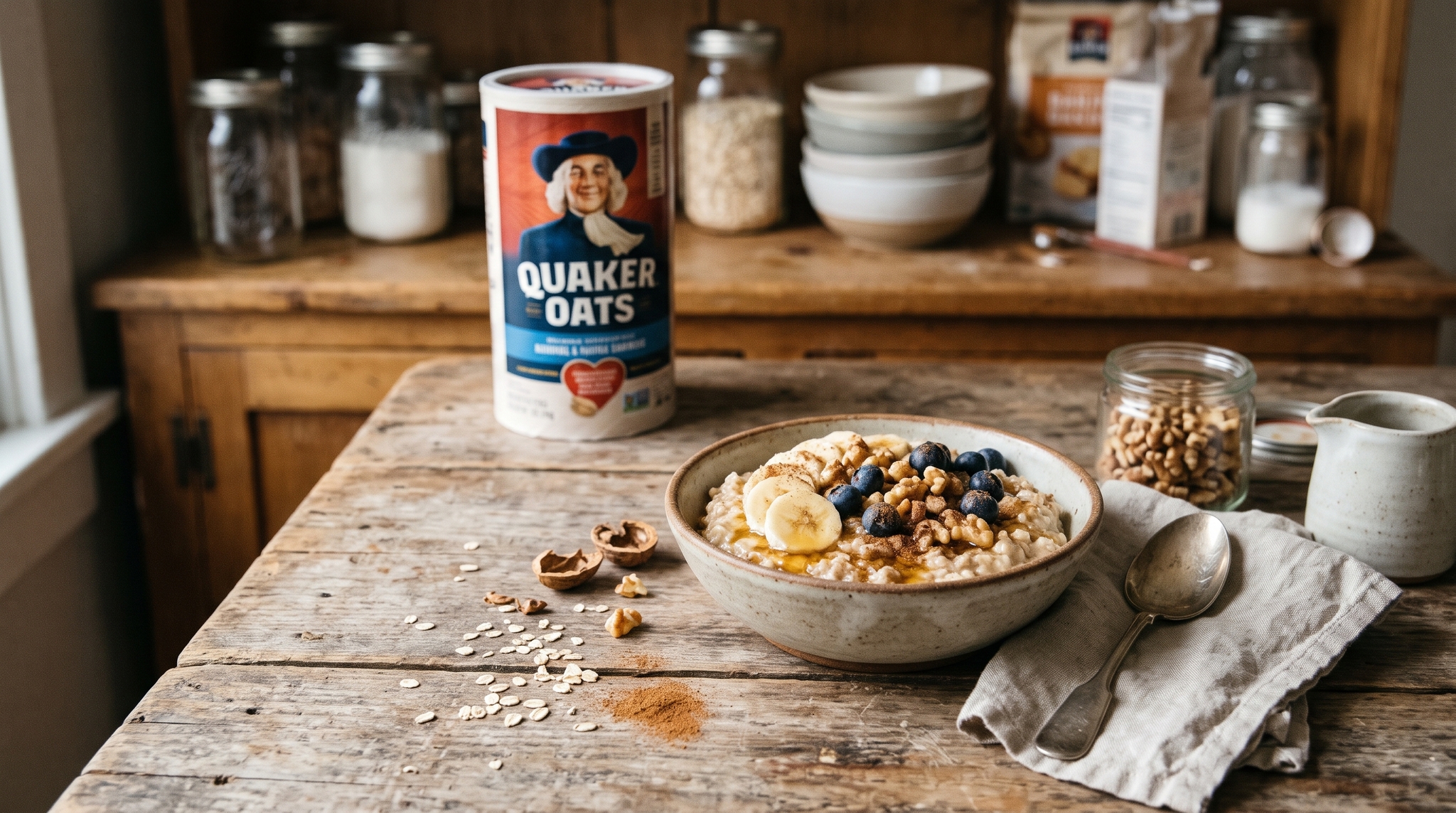
Now, I have requested many of these types of images and usually when I do there are often "crumbs" of things laying on the table. So, I asked Google Gemini why it does that:
I don't need you to regenerate this particular image. However, I wanted to ask why it is when you create rustic pictures that there's always crumbs of stuff laying on the table. For example, in this photo, you gave me crumbs of oats and nutshells laying on the table instead of a cleaner looking table.
Gemini's response:
Image generation models produce scattered crumbs, loose flakes, and stray shells primarily because of how "rustic" food styling is represented across photographic training datasets.
Several underlying factors drive this behavior:
• Editorial Food Photography Conventions: In food magazines, culinary blogs, and stock photography, stylists deliberately use a technique called "ingredient scattering" to create visual interest. Loose raw oats, spilled cinnamon, flour dust, or cracked walnut shells are intentionally arranged around the dish to suggest an active, unhurried baking process. Because the model was trained on millions of these styled photos, it treats loose ingredients as an essential visual hallmark of the word "rustic."
• Latent Bias Against "Sterile" Compositions: Early image generators often produced overly smooth, plastic-looking scenes. To introduce realism and avoid sterile compositions, the model associates descriptors like "candid," "rustic," and "homemade" with physical imperfections, textural grain, and surface debris. To the algorithm, an immaculate, polished table signals a modern commercial studio, whereas crumbs and loose items signal a lived-in space.
• Semantic "Bleed" Across the Frame: When an image prompt includes specific dish components (such as oats, berries, nuts, and spices), the diffusion process distributes those semantic concepts across available flat surfaces. Instead of containing every ingredient strictly within the bowl, the model frequently generates detached duplicates across the tabletop.
To get the weathered surfaces and warm lighting of a rustic setting without the debris in future generations, specifying "clean, wiped-down table surface" or "tidy presentation with no loose ingredients or crumbs on the tabletop" effectively suppresses that automatic styling bias.
I'm finding that the more I ask SI why it does things, the more I learn about how the model works. I do have other more complex examples of this If you would like to see them just ask.





-
0
To get AI to do exactly what you want, stop asking vague questions and start giving it structural constraints. The secret lies in a simple four-part formula:Role: Tell it who it is ("Act as an expert SEO copywriter...").Context: Give it background data, guidelines, or reference material instead of letting it guess. Specific Task: Use direct action verbs and clear constraints ("Summarize this into 3 bullet points under 50 words each..."). Iterate: Never settle for the first response. Treat it as a conversation—tweak, correct, and guide the output until it hits the mark. Bottom line: The quality of the output is always a reflection of the clarity of your instructions.
— Doindizital
add a comment